Surf Report, Forecast & Essential Tips for Surfrider Beach
Last Updated: March 01, 2026
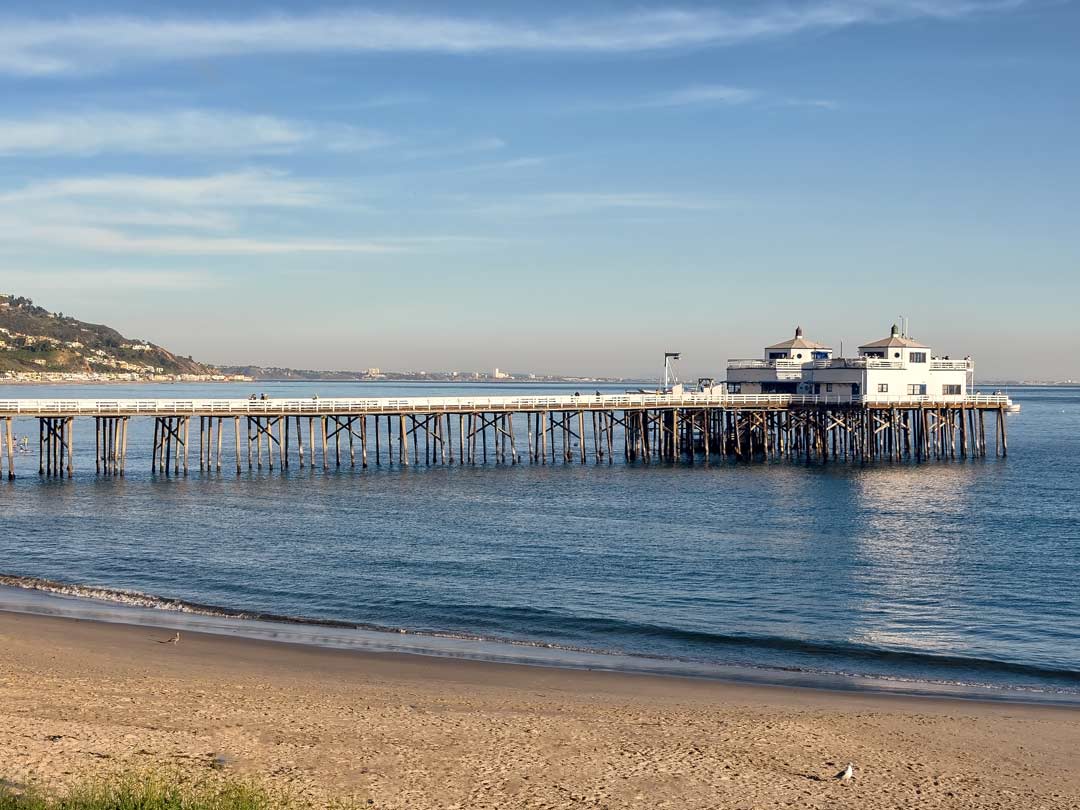
World-famous and effortlessly stylish, Malibu Surfrider Beach is one of the most iconic surf breaks on the planet. Located just south of the Malibu Pier, this legendary right-hand point break is synonymous with classic longboarding, smooth rides, and California surf culture at its finest.
Overview
Malibu Surfrider Beach is part of Malibu Lagoon State Beach and is celebrated for its long, peeling right-hand waves that can offer extended rides when conditions align. The cobblestone point break creates clean, lined-up walls that are ideal for trimming, cross-stepping, and nose riding. On a good day, rides here can stretch impressively far down the point.
Wave Conditions
The break works best with south and southwest swells, especially during late spring through early fall. Mid to high tide often produces the cleanest, most rideable waves. While the waves are generally not as hollow or heavy as beach breaks, precision and positioning are key — especially when the lineup gets crowded.
Skill Level
Surfrider is best suited for intermediate to advanced surfers due to the high crowd factor and the need for strong wave awareness. Longboarders thrive here, though skilled shortboarders can also find opportunities when the swell increases. Beginners may find the crowd and point setup challenging.
The Surf Culture
Few beaches capture the soul of California surf history like Malibu. Often considered the birthplace of modern longboarding style, Surfrider gained global fame in the 1950s and 1960s as surf culture exploded in popularity. The beach continues to draw devoted locals, surf historians, and visitors hoping to experience a piece of surfing heritage.
Beach & Amenities
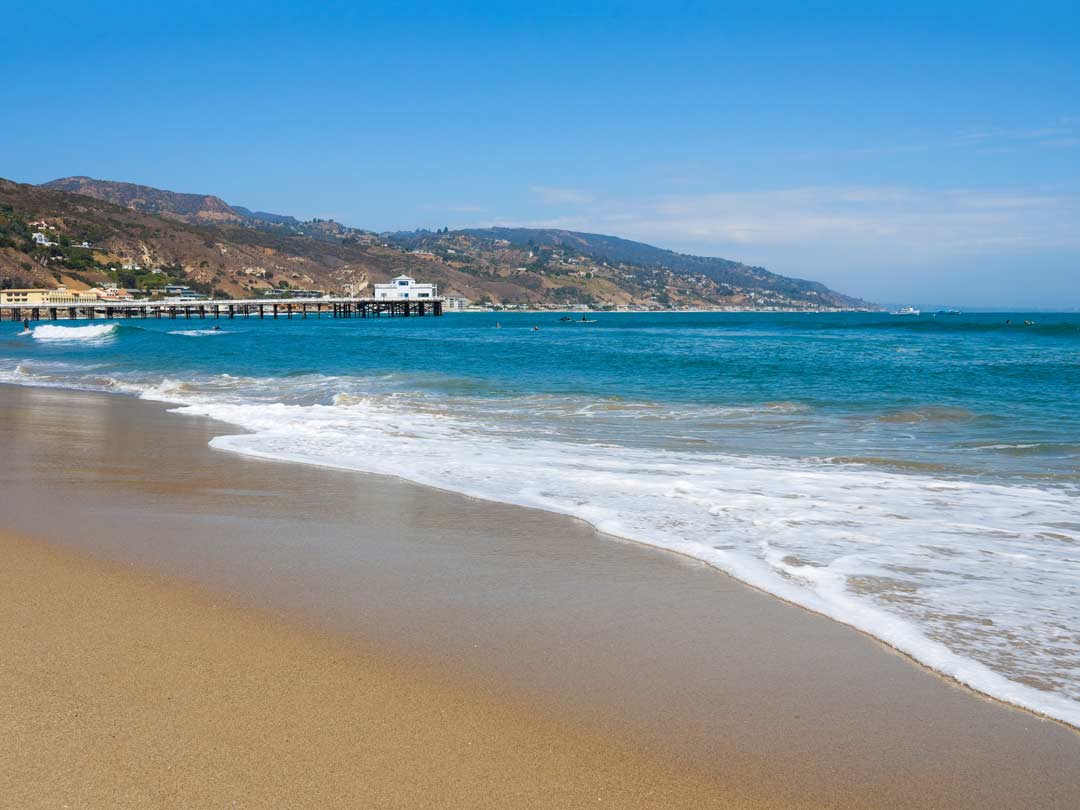
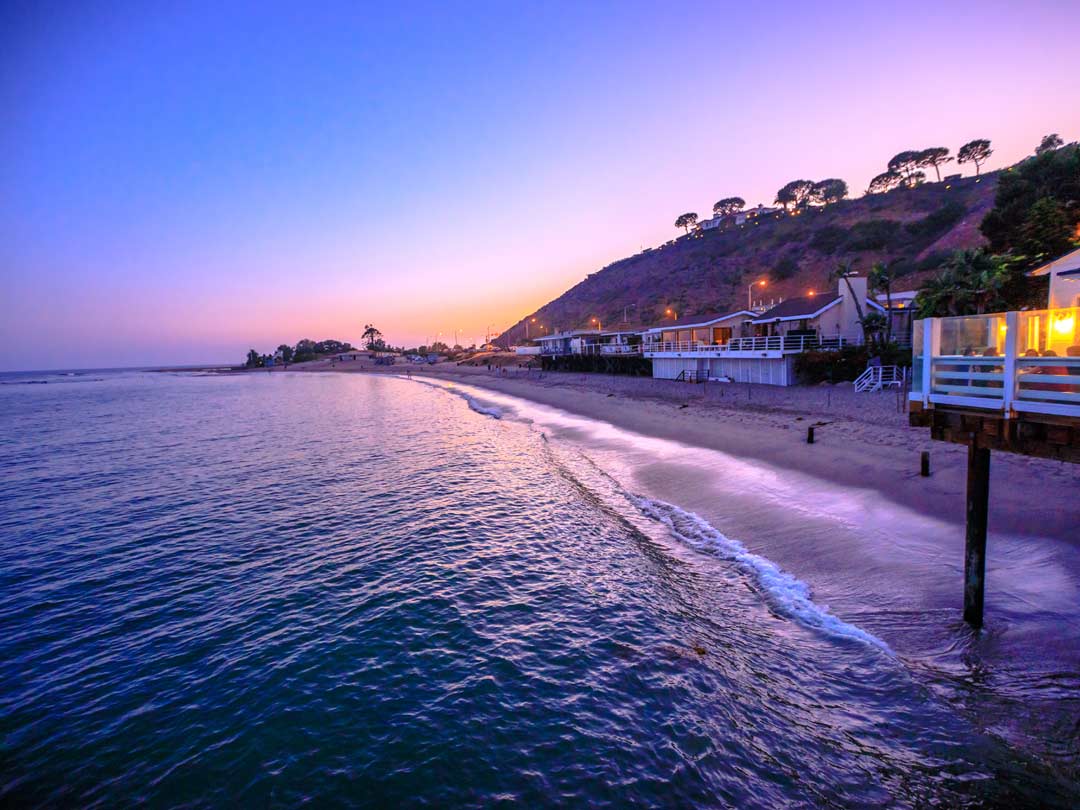
Located next to the Malibu Pier, the area offers restrooms, dining, and nearby shopping. The scenic setting includes views of the Santa Monica Mountains and the Malibu coastline. Parking is available in the state beach lot and along Pacific Coast Highway, though it can fill quickly on prime surf days.
Best Time to Surf
Summer south swells bring consistent, clean lines, while fall can also deliver excellent conditions with lighter crowds. Early mornings typically offer smoother surfaces before onshore winds develop.
Things to Know Before You Paddle Out
Crowds are a defining feature here. Proper surf etiquette and patience are essential. The cobblestone bottom requires careful footing when entering and exiting the water. Checking tide and swell forecasts beforehand will help maximize your session.
Pros and Cons
Pros
Legendary longboarding wave. Long, peeling right-hand rides. Rich surf history. Scenic Malibu backdrop.
Cons
Very crowded on good days. Limited beginner-friendly space. Parking can be competitive.
Ready to Glide at Malibu Surfrider?
If you’re chasing smooth walls, timeless style, and a true piece of California surf lore, Malibu Surfrider Beach delivers in spades. It’s not just a surf session — it’s a rite of passage along one of the most storied coastlines in the world.
Surf Report for Malibu Surfrider Beach

Surf Forecast for Malibu Surfrider Beach

Malibu Surfrider Beach
Malibu, California
Malibu Surfrider Beach - Malibu Beach
Swell Direction: S, SW, W
Wind: northwesterlies are side offshore
Surf Height: wait high to double overhead
Tide: Medium