Experience Panoramic City Views, Picnic Spots, and Adventure Trails
Last Updated: February 25, 2026
Spanning over 4,300 acres in the heart of Los Angeles, Griffith Park is one of the largest urban parks in North America. Home to iconic landmarks, scenic hiking trails, wildlife habitats, and deep Hollywood film history, Griffith Park offers a rare blend of wilderness and world-famous cultural attractions just minutes from Downtown LA.
Established in 1896 after being donated to the city by Colonel Griffith J. Griffith, the park features rugged mountains, chaparral-covered hills, picnic grounds, playgrounds, museums, and sweeping views of Los Angeles. With miles of hiking, biking, and equestrian trails, Griffith Park feels like a true wilderness escape within city limits.
The Griffith Observatory stands as both a scientific landmark and a cinematic icon. Immortalized in the classic film “Rebel Without a Cause” starring James Dean, the observatory has also appeared in productions such as “The Terminator” and “La La Land.” Visitors can explore astronomy exhibits, peer through telescopes, and enjoy panoramic views of Los Angeles and the Hollywood Sign. A bronze bust of James Dean honors the actor’s connection to the site, reinforcing the observatory’s place in Hollywood history.
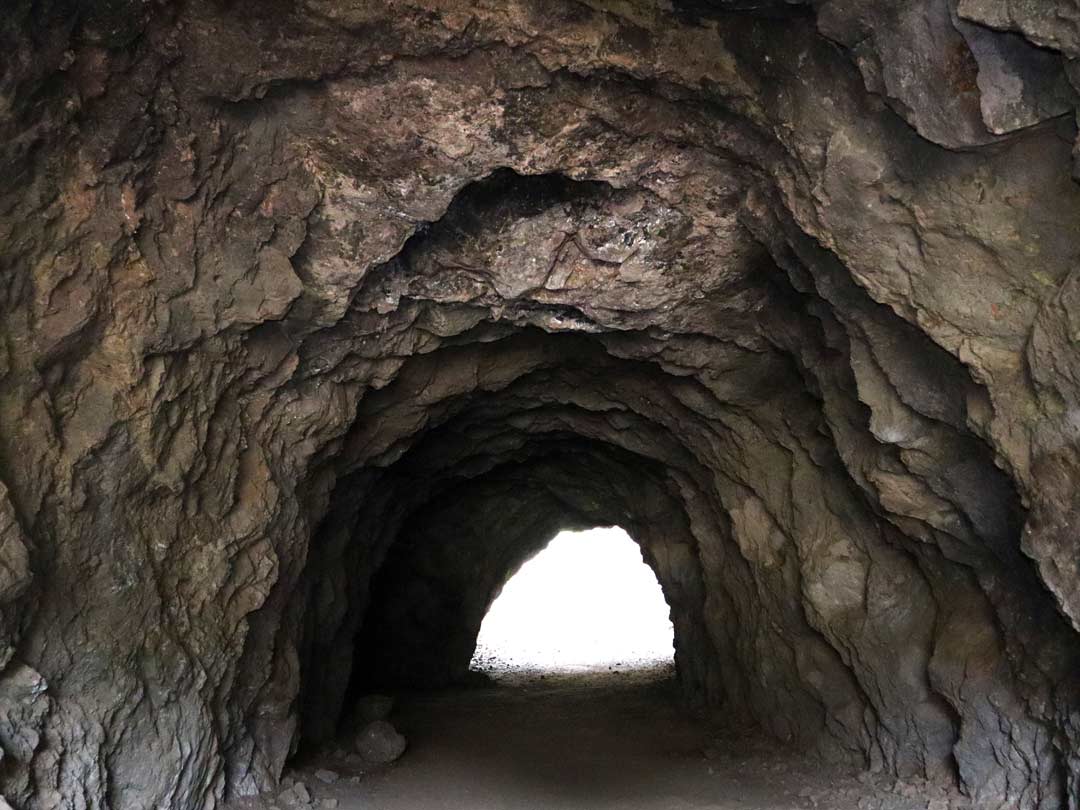
Located within Bronson Canyon, the famous Bronson Caves are among the most recognizable filming locations in the world. Originally part of a rock quarry opened in 1903, the caves became the Batcave entrance in the 1960s “Batman” television series. They have appeared in countless films and shows including “The Searchers,” “Lost Horizon,” “The Sword and the Sorcerer,” “Gunsmoke,” “Bonanza,” “Little House on the Prairie,” “Star Trek Voyager,” and “Wonder Woman.” Accessible via a short walk from Canyon Drive, the caves remain a must-visit for film enthusiasts.
The Griffith Park Merry-Go-Round, located in Park Center between the Los Angeles Zoo and the Los Feliz entrance, has delighted families for generations. Built in 1926 by the Spillman Engineering Company and installed in the park in 1937, the carousel features 68 jewel-encrusted horses with ornate carvings of draped blankets, sunflowers, and lion heads. A Stinson 165 Military Band Organ — reputed to be the largest on the West Coast — plays over 1,500 musical selections. The carousel is open weekends year-round and daily during summer and holiday breaks.
Opened in 1929, the Griffith Park Carousel is famously associated with Walt Disney’s inspiration for Disneyland. Legend says Disney envisioned a place where families could enjoy rides together while watching his daughters ride the merry-go-round here. Today, the carousel remains a nostalgic landmark tied to the origins of theme park history.
Griffith Park has served as a backdrop for countless iconic films. From the noir atmosphere of “Sunset Boulevard” to the romance of “La La Land” and the time-traveling scenes of the “Back to the Future” series, the park’s landscapes have shaped cinematic storytelling for decades. Its tunnel appeared in “Throw Momma from the Train” and served as the entrance to Toontown in “Who Framed Roger Rabbit.” Griffith Park remains one of Hollywood’s most frequently used outdoor filming locations.
Beyond film and television, Griffith Park has appeared in music videos including Adam Lambert’s “If I Had You,” Ellie Goulding’s “Guns and Horses,” and Simple Plan’s “Untitled (How Could This Happen to Me?).” Its tunnels, hillsides, and scenic vistas continue to provide a dramatic backdrop for artists across genres.
Griffith Park is home to a diverse array of wildlife. The late mountain lion P-22 became a symbol of urban wildlife conservation during his decade-long residence in the park. Coyotes, rattlesnakes, raptors, and Western toads inhabit the area, while ecologists actively monitor the ecosystem. The addition of a Miyawaki forest near the Bette Davis Picnic Area further supports biodiversity within this urban wilderness.
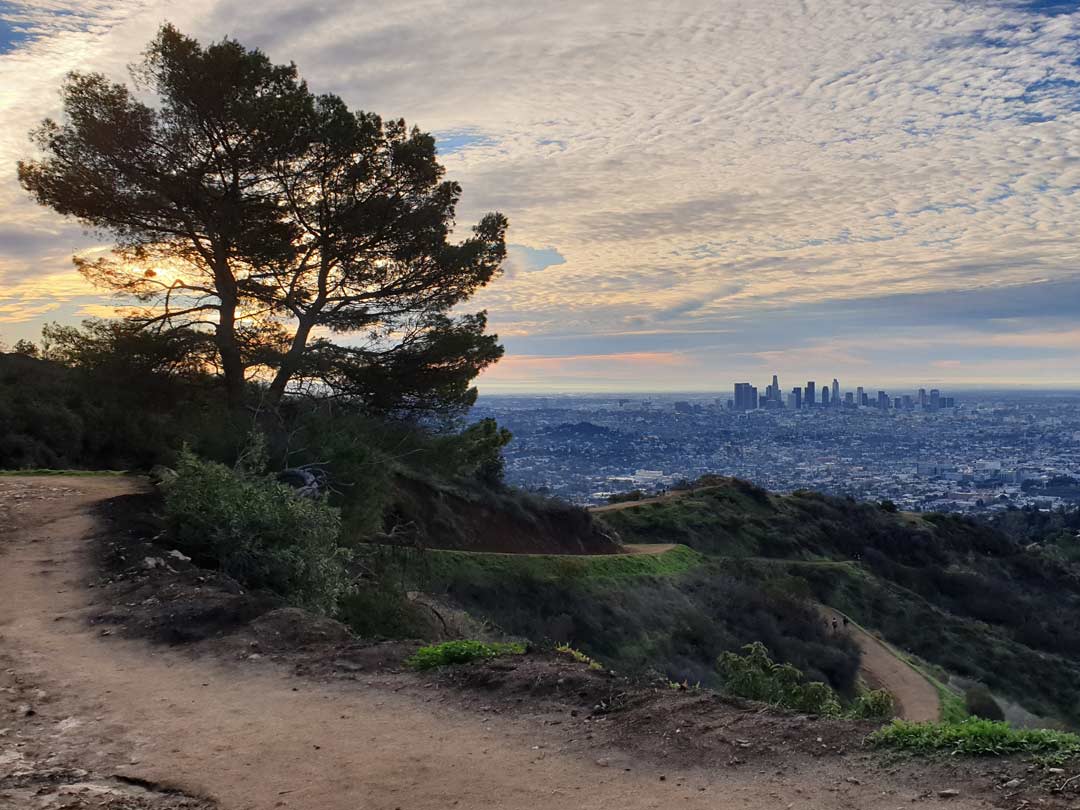
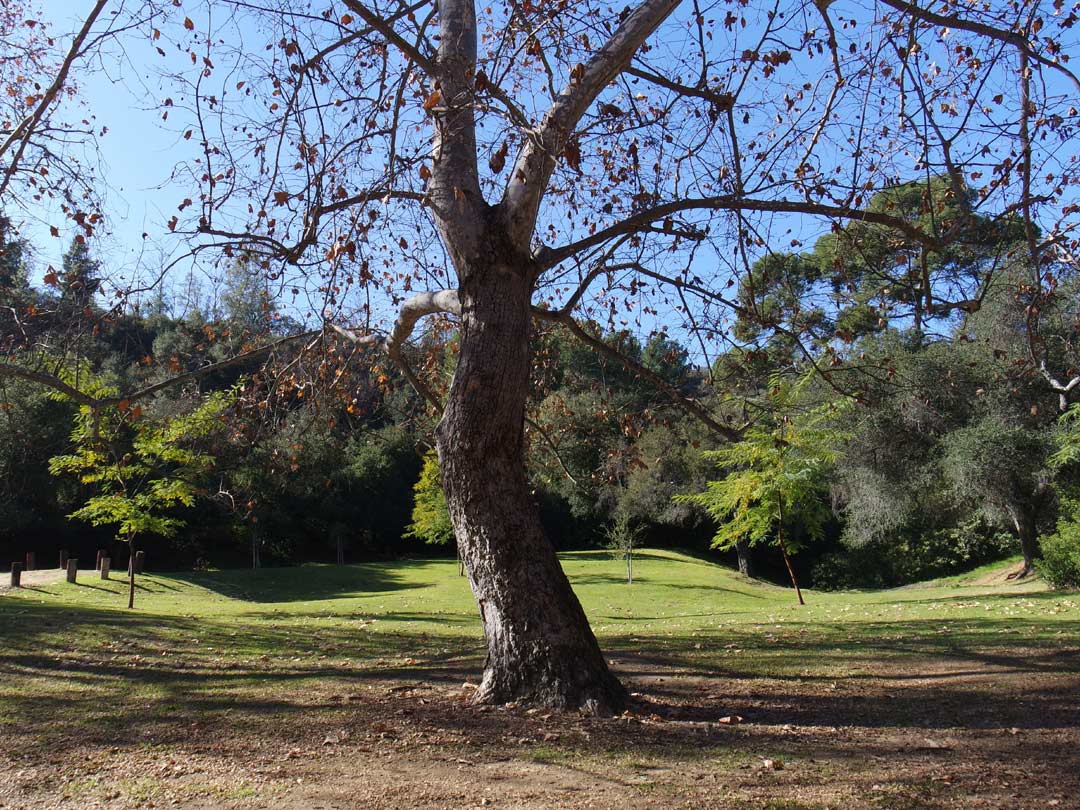
Visitors can enjoy hiking trails to Mount Hollywood, horseback riding, cycling routes, playgrounds, golf courses, and picnic areas. The park also includes attractions such as the Los Angeles Zoo, Travel Town Museum, and multiple scenic overlooks offering panoramic views of the city and surrounding mountains.
Spring and fall offer the most comfortable temperatures for hiking. Early mornings provide cooler conditions and clearer views, while sunset offers dramatic city and skyline scenery. Weekends can be busy, especially near the observatory and popular trailheads.
Massive urban wilderness. Deep Hollywood film history. Iconic landmarks like Griffith Observatory and Bronson Caves. Family-friendly attractions including the historic carousel. Diverse hiking and recreation options.
Can be crowded near major attractions. Limited parking at peak times. Hot summer temperatures on exposed trails.
Griffith Park is more than just a park — it’s a cultural and cinematic landmark woven into the identity of Los Angeles. From the Griffith Observatory and Bronson Caves to the historic Merry-Go-Round and miles of scenic trails, the park delivers an unforgettable blend of outdoor adventure and Hollywood legacy. Whether you’re hiking, sightseeing, or exploring film history, Griffith Park remains one of Southern California’s most iconic destinations.
the Central Park of Los Angeles
Address
4730 Crystal Springs Dr, Los Angeles, CA 90027
Phone
323-913-4688